A Parent’s Guide to Choosing a Christian Horse Camp
Sending your child to camp is a milestone filled with both excitement and questions. As a parent, you want your child to have a safe, fun, and meaningful experience—one that will help them grow in confidence, deepen their faith, and maybe even discover a new passion. If your child loves horses, a Christian horse camp can be the perfect setting for this kind of growth.
But with so many options available, how can parents be sure they’re choosing the right camp? The decision isn’t just about horses or activities—it’s about finding a place where your child’s heart, mind, and spirit are nurtured in a Christ-centered environment. This guide will walk you through the key things to look for when choosing a Christian horse camp for your child.
1. A Camp Where Faith Comes First
At the heart of any Christian camp is its commitment to helping children grow closer to God. Look for a camp that doesn’t just sprinkle in a chapel service here and there, but one that integrates faith into every part of the day.
- Faith woven into daily life: Whether it’s a morning devotional at the barn, prayer before a trail ride, or a Bible discussion around the campfire, the best camps make faith a natural part of the camper experience.
- Christ-centered staff: Ask how counselors and instructors are trained to be role models. Do they see mentoring as just a job, or as a calling? Are they committed to discipling young people as they learn and play?
- A clear mission: A good Christian camp should be able to articulate its mission in a way that shows Christ is at the center—not just an optional add-on.
Faith formation should never feel forced, but rather lived out in the daily rhythms of camp.
2. Safe and Skilled Horsemanship Instruction
For many kids, the chance to ride and care for horses is the highlight of camp. But parents naturally want to know their child is learning in a safe and structured environment.
- Certified instructors: Look for camps with trained riding instructors who know how to work with children of all ages and skill levels.
- Well-trained horses: Camps should carefully match each camper with a horse suited to their experience, ensuring that even beginners feel comfortable and confident.
- Safety-first culture: Helmets, tack checks, and constant supervision should be standard practice. Ask how safety is taught and reinforced.
- Progress and challenge: Great camps don’t stop at pony rides—they give campers opportunities to build skills, whether it’s grooming, tacking, practicing in the arena, or riding trails.
When horsemanship is done right, campers not only learn riding skills but also develop responsibility, patience, and perseverance.
3. A Balance of Horses and Classic Camp Fun
While horses may be the main attraction, a well-rounded camp experience helps children thrive. A strong program balances barn time with a wide variety of traditional camp activities.
- Adventure in nature: Hiking, swimming, canoeing, and archery give campers new ways to connect with God’s creation.
- Creative outlets: Arts and crafts, music, or drama programs encourage campers to explore their creative side.
- Community-building games: Team challenges, campfires, and all-camp activities create memories and foster friendships that last long after summer ends.
This balance ensures that even the most horse-obsessed camper leaves with a full experience of camp life.
4. Staff Who Truly Care
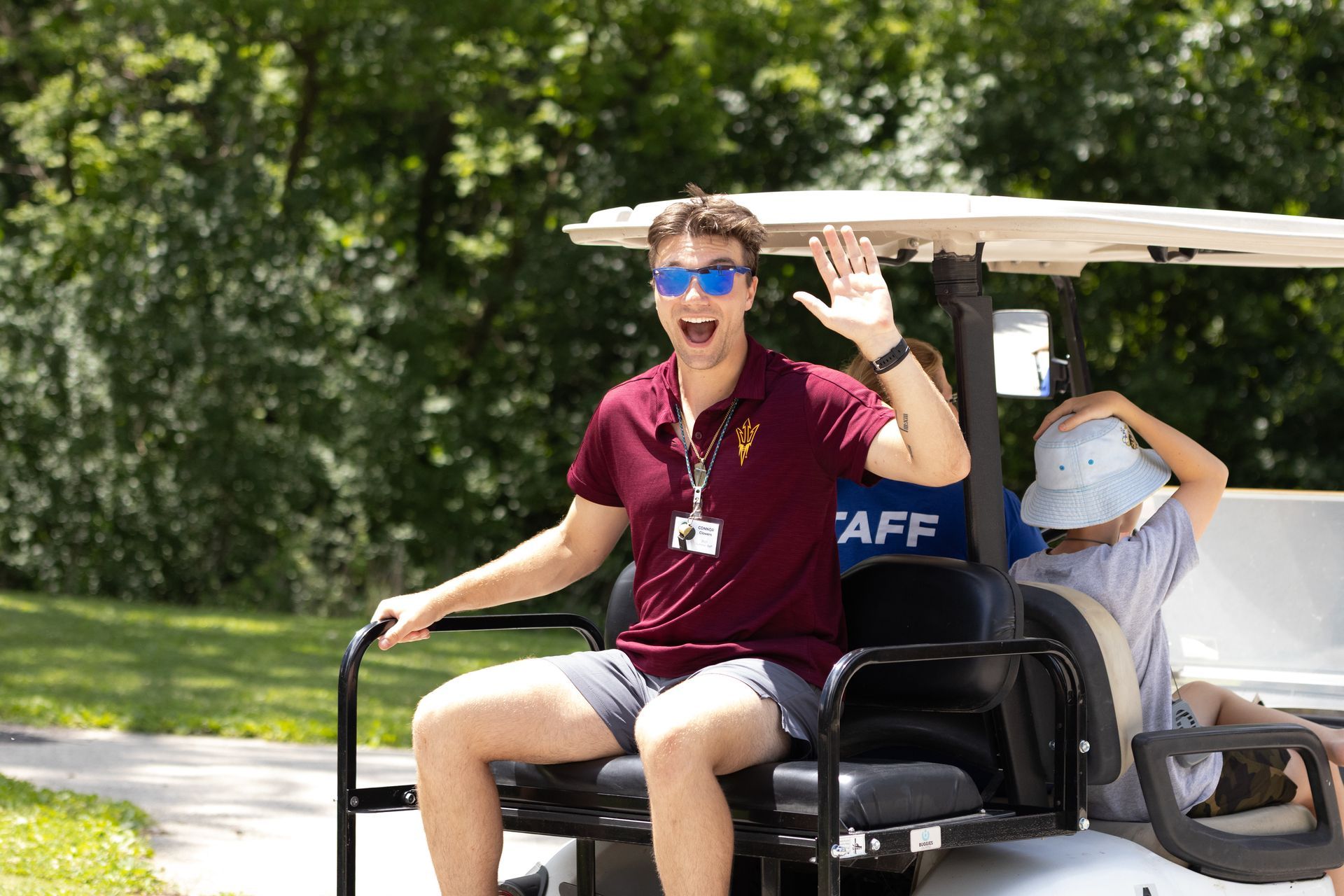
The people who lead camp have the greatest impact on your child’s experience. Parents should pay close attention to how staff are selected and trained.
- Hiring process: Are background checks and interviews part of the process? Does the camp seek staff with a strong personal faith?
- Training standards: Do staff receive training in child safety, conflict resolution, and first aid/CPR, in addition to activity-specific skills?
- Camper-to-staff ratio: Smaller ratios ensure more personal attention, whether during riding lessons or cabin time.
Caring, well-trained staff create the kind of environment where children feel safe, known, and loved—both by their leaders and by God.
5. A Community That Builds Lifelong Friendships
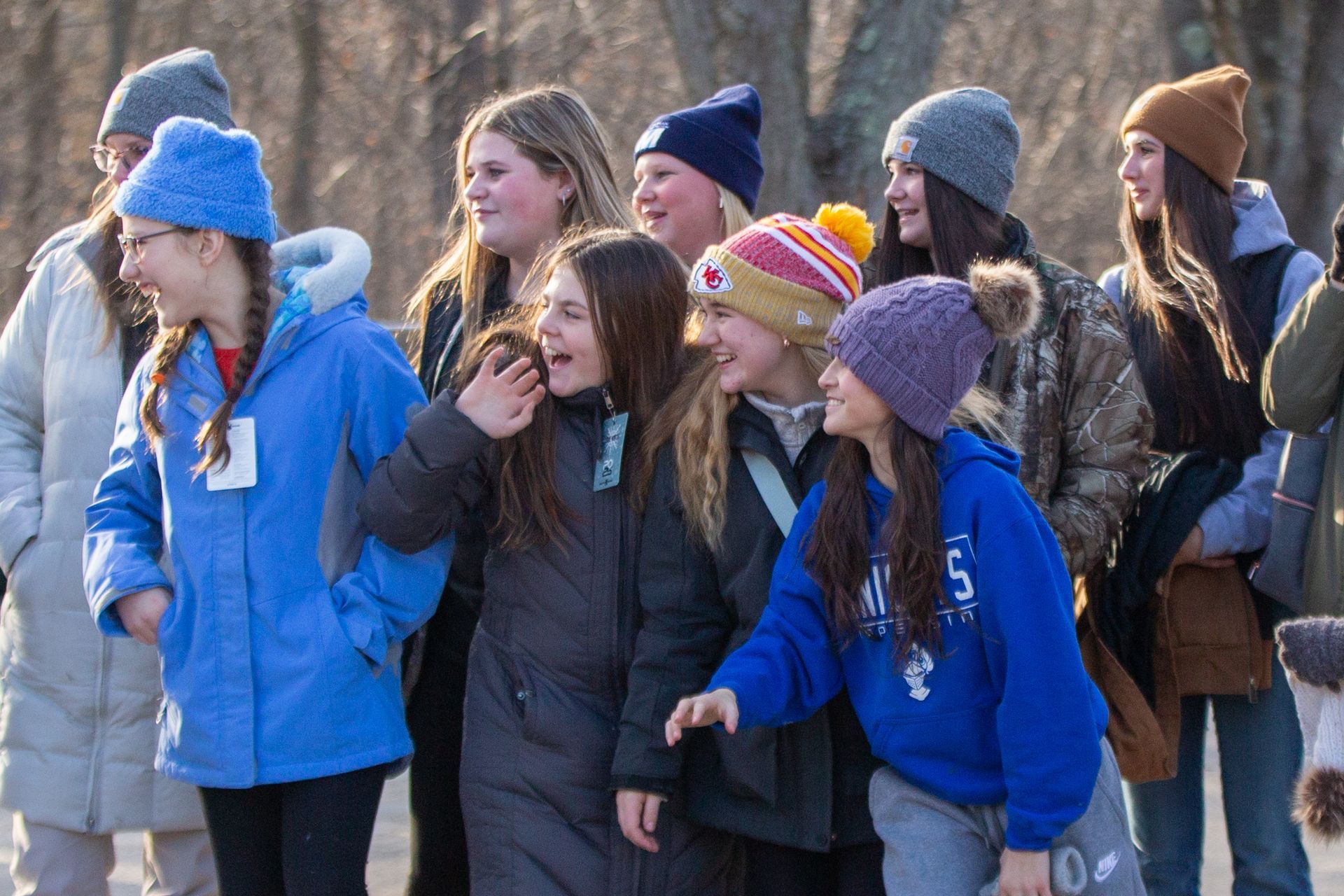
One of the greatest gifts of camp is the friendships children carry with them long after the week is over. Christian horse camps should intentionally foster a sense of belonging and community.
- Small groups: Cabin devotionals and small-group Bible studies help campers open up and build trust.
- Shared challenges: Working together in the barn or on a team activity teaches cooperation and empathy.
- Faith-centered bonds: When kids grow in their walk with Christ alongside their peers, those friendships often become deeply meaningful and long-lasting.
Parents often hear campers talk about their “camp friends” for years, a testament to the unique way camp brings kids together.
6. Communication That Gives Parents Peace of Mind
Sending your child away to camp can be nerve-wracking. The best camps know how to keep parents in the loop without disrupting the camper experience.
- Pre-camp communication: Clear packing lists, riding requirements, health forms, and FAQs help parents feel prepared.
- During camp updates: Some camps provide newsletters, photo galleries, or emails during the week to let parents see what’s happening.
- End-of-week showcases: Family days or horse shows at the end of camp give parents a chance to celebrate what their child has learned.
When parents feel informed and reassured, they can relax and allow their child to fully enjoy the camp adventure.
7. The Camp Timber-lee Difference
At Camp Timber-lee, we believe a Christian horse camp should do more than teach riding—it should help campers grow in faith, confidence, and character.
Our equestrian program features gentle, well-trained horses and experienced instructors who are passionate about teaching horsemanship with a Christ-centered approach. Campers spend time in the barn learning grooming and care, gain confidence in the saddle, and experience the joy of riding on scenic trails. But that’s only part of the story.
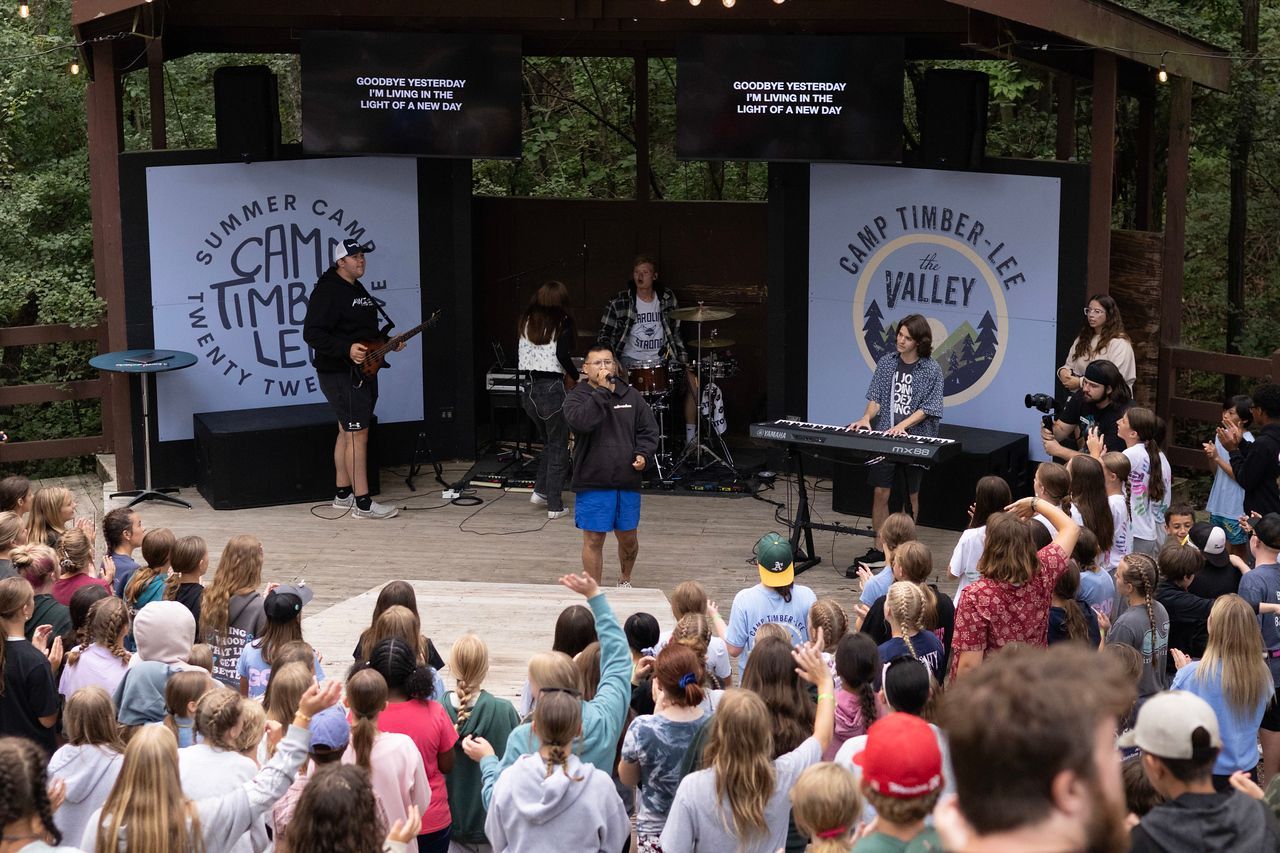
In addition to horsemanship, campers enjoy the full range of camp activities—swimming in the lake, hiking wooded trails, tackling the climbing wall, or gathering around the campfire for songs and stories. Every activity is an opportunity to build friendships, strengthen character, and draw closer to God.
Parents can also feel confident knowing that safety is our top priority. From certified staff and structured riding programs to small cabin groups and faith-driven mentorship, every detail is designed to create a safe, fun, and spiritually enriching experience.
Final Thoughts
Choosing a Christian horse camp is about more than summer fun—it’s about giving your child an experience that combines adventure, skill-building, and spiritual growth. By asking the right questions and looking for a balance of faith, safety, and fun, you can find a camp that will inspire your child for years to come.
At Camp Timber-lee, we’re honored to partner with families in raising up the next generation of Christ-followers. With the joy of horses, the beauty of creation, and the power of Christian community, your child will discover lessons that last long after camp is over.
FEATURED