Top Questions Parents Ask Before Sending Their Kids to Camp
Sending your child to camp is a big milestone—especially if it’s their first time away from home. It's normal for both parents and children to feel nervous or anxious about this new experience. At Camp Timber-lee, parents want assurance that their child will be safe, cared for, and spiritually enriched. Camp Timber-lee is committed to working closely with families to ensure a supportive and positive camp experience. Here are the most common questions parents ask—along with answers to help you feel confident and prepared. Parents are kept informed about their child's camp experience through regular updates and open communication.
What is summer camp, and what can my child gain from it?
Summer camp is more than just a place for kids to spend their summer—it’s a vibrant environment where children can participate in a wide range of activities, make new friends, and learn essential life skills. At Camp Timber-lee, campers enjoy classic camp experiences alongside specialty camps and outdoor education programs, all designed to help younger campers explore their interests and grow in confidence. Whether your child is interested in sports, nature, or creative arts, summer camp offers a safe and supportive space for fun, learning, and building lasting friendships. Through these experiences, children develop independence, teamwork, and communication skills that will benefit them long after summer ends.
How do I choose the right camp program for my child?
Browse Our CampsSelecting the best summer camp program for your child starts with understanding their interests and needs. If your child is a first-time camper or on the younger side, programs like Camp Start at Camp Timber-lee are tailored to help them ease into camp life. Consider the camp’s location—such as the beautiful setting in East Troy—and the type of experience you want your child to have, whether it’s a traditional camp or a specialty camp focused on a particular activity. It’s also important to look at the camp’s reputation, safety standards, and the qualifications of the camp counselors. A low counselor-to-camper ratio ensures your child receives the attention and guidance they need for a positive and memorable camp experience.
Is Camp Timber-lee a Christian camp?
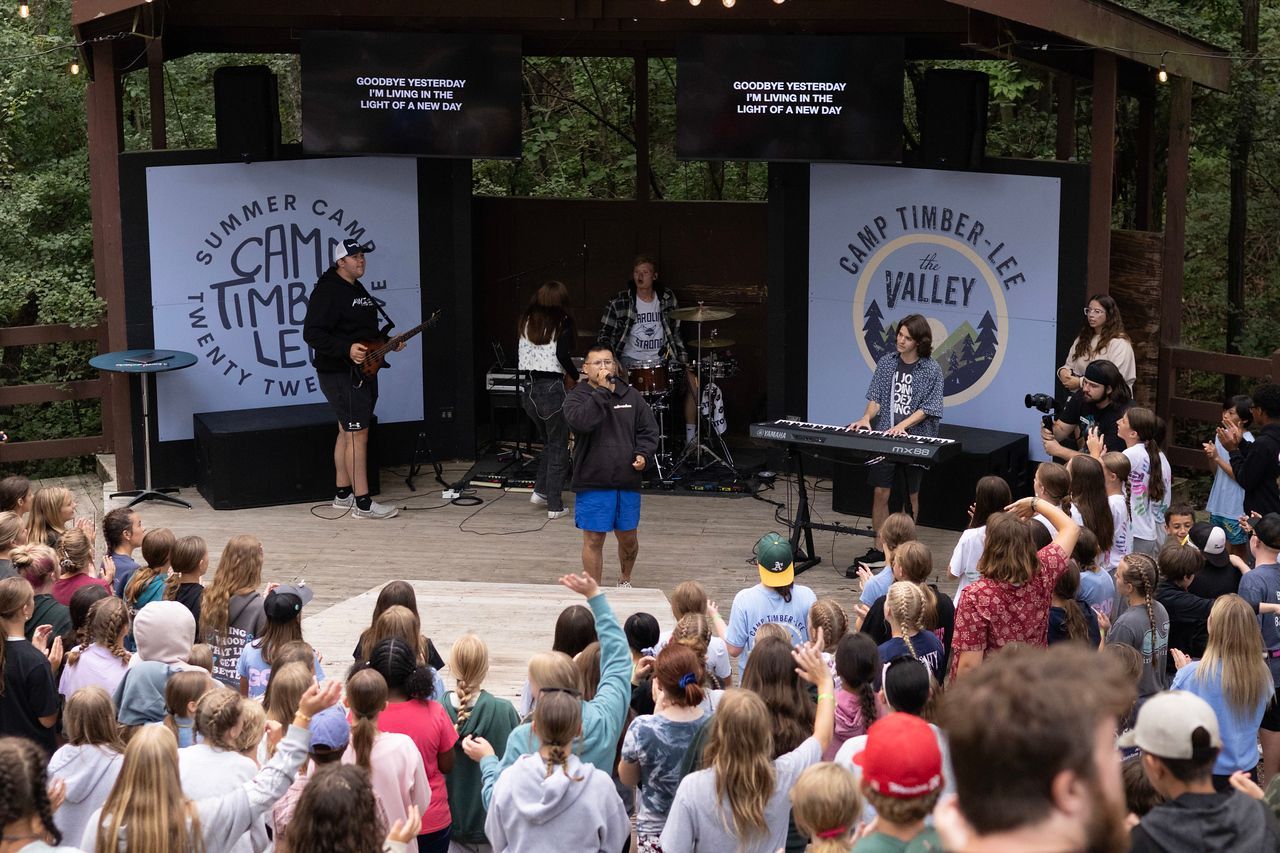
Learn MoreYes. Camp Timber-lee integrates faith into daily life with chapel services, Bible studies, and faith-based activities designed to nurture spiritual growth. Worship and activities are centered around God, encouraging campers to grow in their relationship with God. Fellowship among campers and staff is an important part of the spiritual experience at Camp Timber-lee, helping to build strong connections and a sense of belonging within the camp community.
Where will my child sleep?
Campers stay in cabins with twin-sized bunk beds. Bedding is not provided, so bring a sleeping bag, pillow, and/or linens.
Can my child be with a friend?
Yes. You can request up to five cabin mates, but requests must be mutual to be honored.
What if my child doesn’t know anyone?
They’ll be placed in a “Connection Cabin” designed to support your child's social needs and help ensure your child's camp experience is positive, even if they arrive without knowing anyone.
How should we prepare for the first day of camp?
View Our Packing ListGetting ready for the first day of camp is an exciting milestone for both parents and children. Start by carefully reviewing the camp’s packing list to make sure your child has all the essential clothing, toiletries, and any required medications. Talk with your child about what to expect at camp, how to make new friendships, and the fun activities they’ll get to try. Familiarize yourselves with the camp’s environment and daily schedule by visiting the website or attending an orientation session if available. On arrival day, plan to get there early so you can meet your child’s camp counselor and help your child feel connected and comfortable as they begin their camp experience.
Will my child have access to a phone?
No. Electronics are not permitted. The goal is full engagement with the camp experience.
How will I stay updated on my child’s experience?
Call The OfficeYou’ll receive email updates and can view photos on SmugMug. In emergencies, contact the camp office directly.
Can I send care packages or mail?
Yes. Drop off letters or packages at check-in or mail them. Care packages and mail are typically delivered to campers on Wednesday and Friday, so be sure to label items clearly for timely delivery. Bunk Notes (one-way email) is also available.
Are there trained medical staff on-site?
Yes. A licensed nurse or medical professional is available 24/7 during summer camp sessions.
What if my child has allergies or special dietary needs?
Timber-lee accommodates dietary restrictions and is a nut-free kitchen. Campers eat together during scheduled meal times, making meals an important part of the camp experience. The camp provides high-quality food, served buffet-style, with substitutions available to meet various dietary needs.
What is the daily schedule like?
A typical day is packed with chapel, meals, and a wide range of outdoor activities such as ziplining, archery, canoeing, and hiking. Some activities allow campers to focus on their specific interests or passions, providing opportunities for personal growth. Outdoor activities are planned with weather conditions in mind, and adjustments are made as needed to ensure safety and enjoyment. Group times often involve campers sitting together for discussions, chapel, or training sessions. Evenings are more relaxed, allowing campers to unwind and bond with each other.
What new experiences and challenges will my child encounter?
At summer camp, your child will be encouraged to try new things, from outdoor adventures like canoeing and archery to creative arts and team-building games. Camp life is full of opportunities to make friends, learn from experienced instructors, and discover new interests in a supportive environment. While your child may face challenges such as homesickness or adapting to a new routine, the guidance of caring counselors and the sense of community at camp help them build resilience, adaptability, and essential social skills. These experiences not only make summer fun but also foster personal growth and confidence.
Is camp worth the investment?
Investing in a summer camp experience at Camp Timber-lee is truly a gift for your child. Beyond the fun and excitement, camp provides opportunities to develop important life skills, form meaningful friendships, and create memories that last a lifetime. The supportive community at Timber-lee helps children build confidence, discover new passions, and feel a sense of belonging. As a parent, you can feel confident knowing that the value of camp extends far beyond the summer, helping your child grow into a well-rounded, happy, and capable adult. The friendships, skills, and experiences gained at camp are essential building blocks for your child’s future.
FEATURED